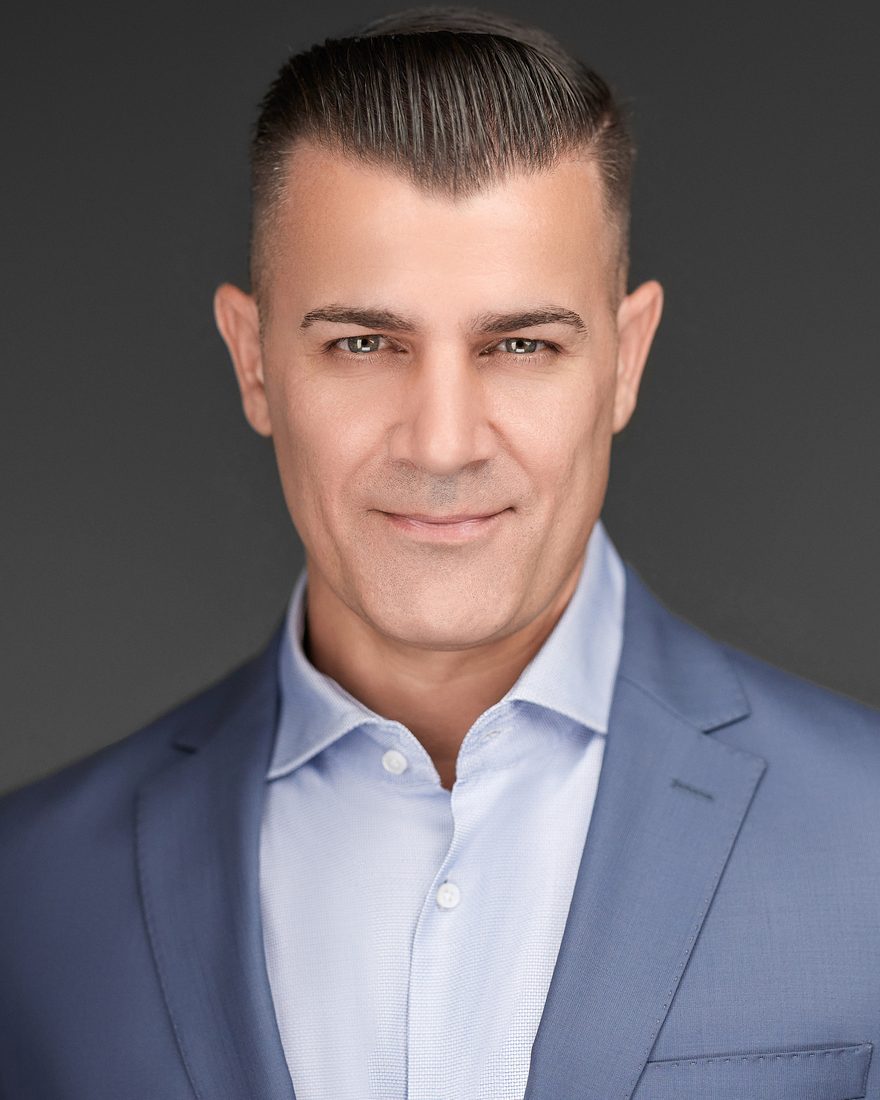
Rick Rivetti

California raised me.
The Marine Corps set the standard.

CIOCybersecurityEnterprise TransformationMarine Veteran

I am a Chief Information Officer, and I carry executive responsibility for cybersecurity. For nearly three decades I have led technology through its most demanding moments: public offerings, acquisitions, global expansions, and transformations that touched every system a business runs on. I learned the work from the bottom, in the United States Marine Corps, and I have never led from anywhere else but the front.

Rick Rivetti, professional headshot
Executive Impact

I have led technology through the moments that decide a company’s direction. A public offering. Acquisitions, and the integration work that follows them. Expansion into regions where the rules are different. Rebuilds of environments that had quietly stopped serving the business.

I have done it in seven industries: healthcare, medical devices, retail, financial services, broadcast and entertainment, gaming and wagering, and industrial construction. Each one taught me a different definition of risk.

Some were public companies. Some were private equity backed. Some were still led by their founders. The work spanned North America, Europe, and Asia Pacific.

Much of it sat in regulated industries where a failed audit is a business event rather than a technical one, and in operations that never close. I have built and carried programs against NIST CSF, CIS, HIPAA, PCI DSS, SOX, and ISO 27001. I hold the technology seat and the security seat at the same time. That changes how both jobs get done.

What I am brought in to do
Enterprise technology strategy Cybersecurity and risk Mergers and acquisitions Digital transformation Cloud and infrastructure Applied AI Governance and compliance Building teams
My Story

I grew up on five acres in Santa Clarita, north of Los Angeles, and in 1996 I left the ranch for Marine Corps boot camp. I understood change from the receiving end long before I ever led it.

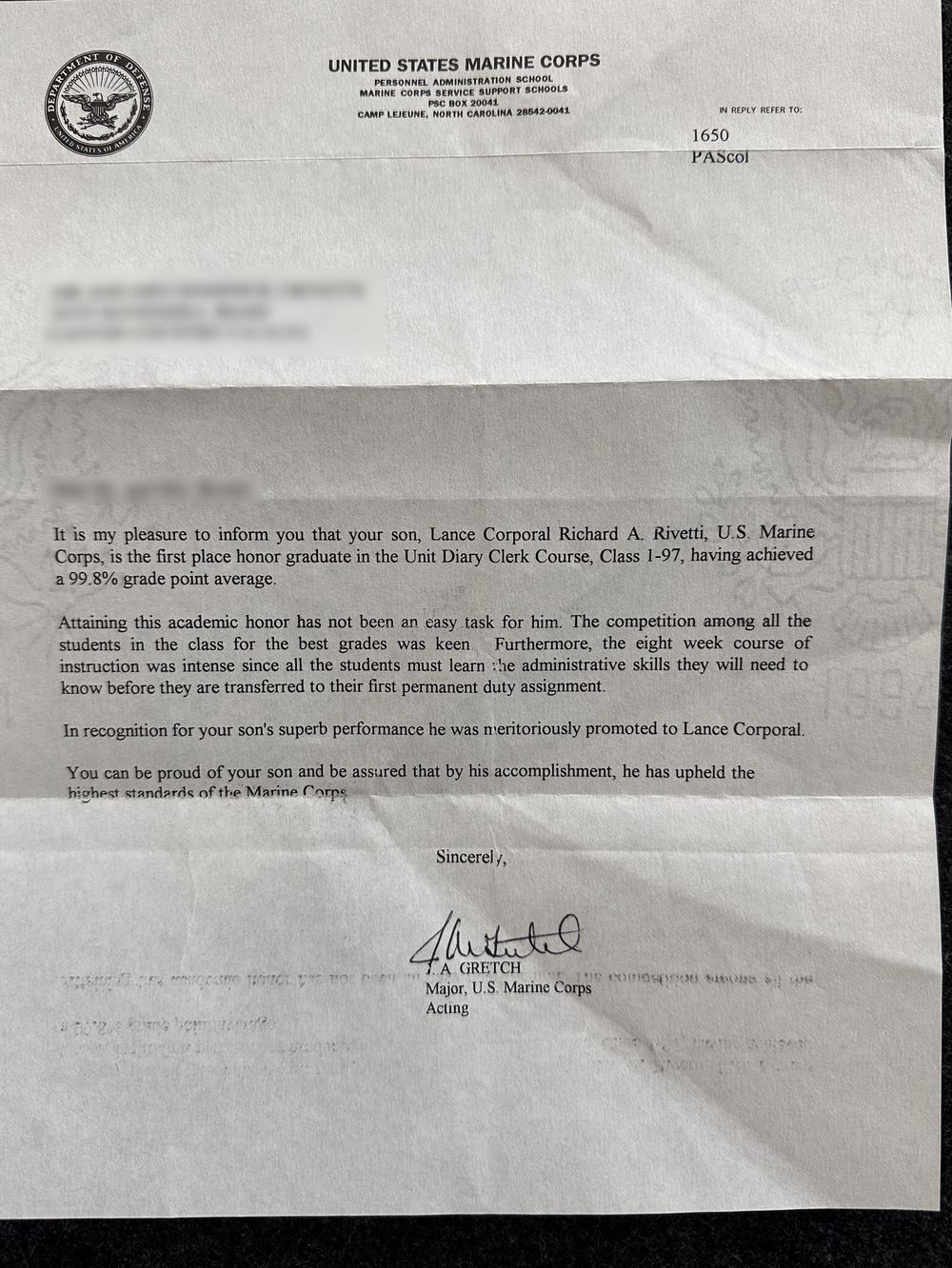
After boot camp came the Corps’ administration school at Camp Lejeune. I finished first in my class with a 99.8 average and was promoted meritoriously for it, which earned me the choice of any duty station in the world. I chose to come home.

Back in Southern California, first at MCAS El Toro and then MCAS Miramar, I joined VMFA(AW)-225, an F/A-18 squadron, working upstairs in the hangar on the flightline. Then the future arrived in cardboard boxes. Our unit took delivery of a large shipment of Dell computers running Windows 95, in an era when much of the world was still squinting at Windows 3.1, and they came with no instructions and no one assigned to figure them out. So I did not wait to be assigned. I unboxed them, built the network, and taught myself to run it. I was the help desk and the network administrator at the same time, because there was no one else.

That initiative earned me a Secret clearance and appointment as the squadron’s Terminal Area Security Officer, responsible for the security of the very systems I had just brought to life. I was a teenager on a flightline entrusted with what most industries reserve for people twice my age, and it fixed in me the conviction that has governed every decision since: technology is never the mission. Technology is what makes the mission possible.

It also shaped a perspective I still carry today. I have been in security since the beginning of my career and since the beginning of the modern networked era itself. Technology changed. Security changed. The responsibility did not.
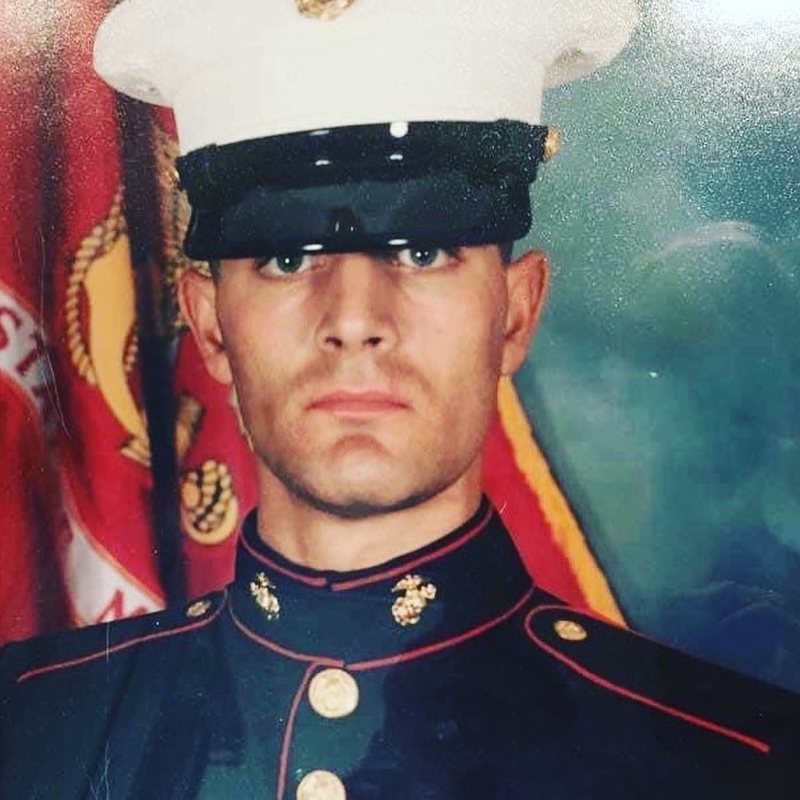
Rick Rivetti in United States Marine Corps dress blues, official portrait

United States Marine Corps, 1996–2001.

The letter home: first place honor graduate, 99.8%. Open to read.
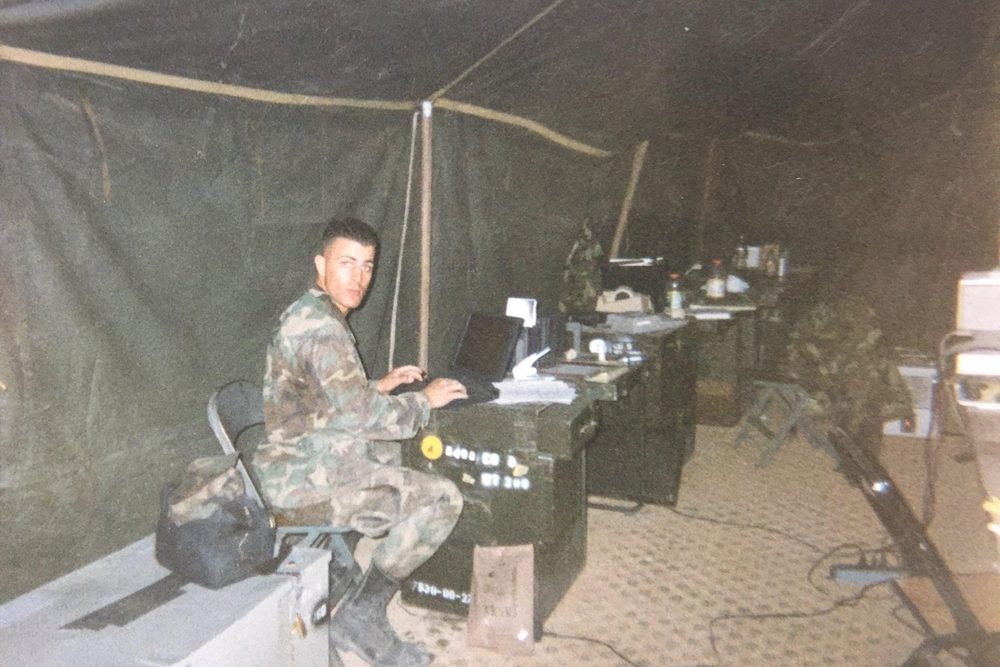
Rick Rivetti on deployment with the Marines, working on a laptop at a field desk inside a tent

On deployment: a field desk, a laptop, and the start of an IT career before I even knew it.

There was no elevator waiting for me in civilian life, and I never went looking for stairs. The Marines teach you to climb the rope: no steps, no rest, just grip, strength, and the refusal to let go. My career has been that climb.

2001

Systems Engineer

I left the Corps and took my first civilian job, in retail technology. After a flightline, one server room felt small, so I made it my business to learn everything around it: the network, the stores, and the way a national retailer actually runs.

2002

IT Manager

Thirteen years as a manager, and I spent them collecting range rather than repeating myself. Regional retail, then medical devices for a global manufacturer, then broadcast and wagering, where I moved a network from standard to high definition and migrated high transaction platforms to the cloud without dropping a signal. I mastered each discipline before moving to the next, and that patience became its own credential.

2015

Director of Information Technology

The first time I owned a function instead of a stack. I built and launched a cloud learning platform in under a year that replaced shipping DVDs and printed books to global banks, and I rebuilt the department around it: engineering, infrastructure, security, and the operating discipline to run all three.

2017

Chief Information Officer

My first CIO seat, in industrial construction. I digitized blueprints and put current building information in the hands of crews across dozens of field sites, which cut rework and the cost that rides along with it. I also took on security, and that is where the two halves of the job began to converge.

2019

Vice President, Information Technology

Two roles at the VP level, in healthcare and then medical devices. I centralized clinical records on the cloud for a group that was acquiring faster than it could integrate, then carried a device manufacturer through its IPO and into operations across three continents. One of those years was the pandemic, and the continuity plans held.

2023

Chief Information Officer

Security came with the seat. I built a first enterprise security program aligned to NIST CSF and CIS, put zero trust controls underneath it, and converged physical and cyber security onto one platform in place of three that never spoke to each other. I report cyber risk to the board directly. Verkada published that convergence work as a customer story.

Somewhere along that climb I completed a degree in Neuroscience at USC, a choice that puzzled colleagues at the time and has distinguished me ever since. It trained me to see organizations as living systems, and to understand that lasting transformation is won in the minds of people long before it appears in any architecture diagram.

Across those seats I have modernized technology for global public companies whose teams spanned continents, languages, and cultures, and for operations that ran every hour of every day, where a minute of downtime carried a measurable cost. Every seat demanded the same three things of me. Learn the business with humility. Earn the people with honesty. Deliver with precision.

That is the arc I bring to every organization: an outsider’s fresh eyes, an operator’s steady hands, and a builder’s refusal to leave anything the way I found it.

Today I am deepening that foundation at UCLA Anderson, where I am pursuing my Executive MBA with the Class of 2028. Nearly thirty years into my career, I am back in a classroom sharpening the disciplines that decide outcomes above the technology: strategy, capital allocation, organizational leadership, and growth. The Corps taught me that the day you decide you have learned enough is the day you start costing people something.
How I Lead
When something breaks, responsibility travels up to me. When something succeeds, credit travels down to them.

Servant leadership is often described as a philosophy. I think of it as an operating model. My role is to set direction, clear the path, and absorb pressure from above so my teams can do the finest work of their careers.

That model only works when the leader has standing, and mine was earned rather than conferred. I have performed nearly every role that now reports to me, from the help desk to this seat, and I have kept those skills sharp deliberately. Teams follow differently when they know their executive has pulled cable, rebuilt servers at two in the morning, and sat in the escalation chair. I never ask for effort I have not given myself. I am as comfortable discussing enterprise risk, governance, and growth with a board as I am working through the operational realities that determine whether a transformation succeeds.

The rest is the human discipline that my background in neuroscience sharpened into practice. I view resistance as information rather than opposition. Every transformation I have led was decided by people: executives guarding hard won territory, teams scarred by initiatives that failed before I arrived, cultures that had quietly learned to outlast change. When you address what people actually need rather than what the project plan assumes, skeptics become sponsors. The most successful transformations are not the ones that launch. They are the ones that become embedded in how people work, make decisions, and create value.

The Marine Corps gave me the final piece, and it is the one I return to most: missions succeed through people, and no one succeeds alone.

Beyond Work
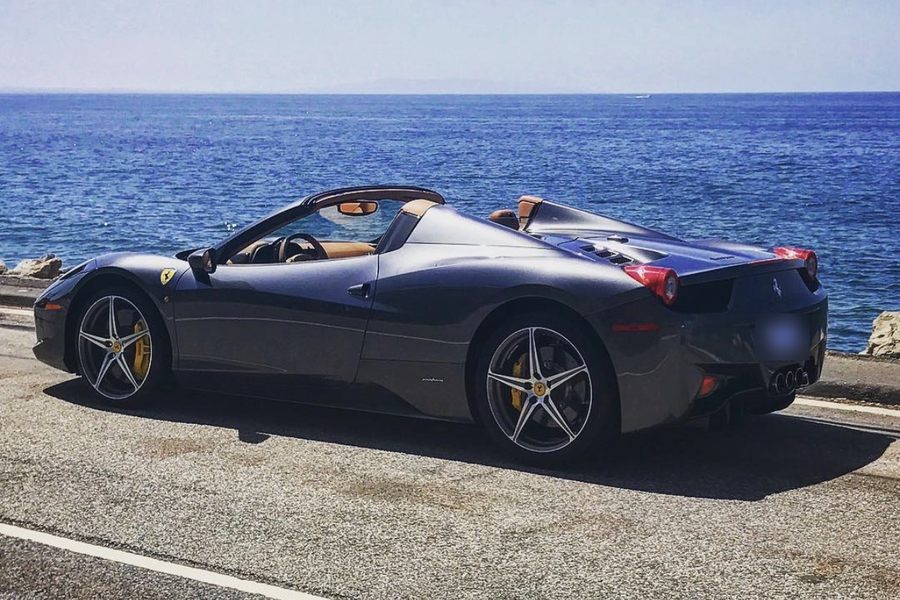
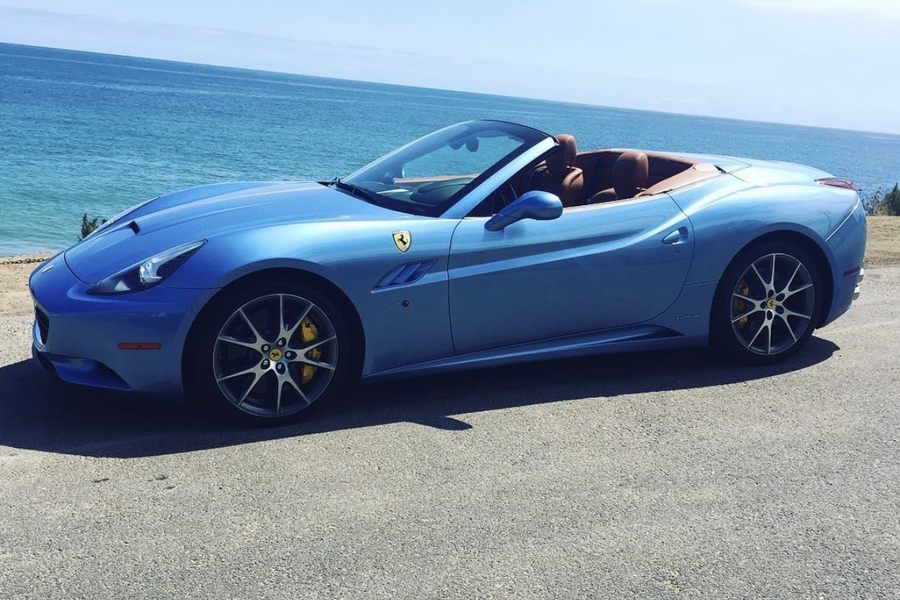
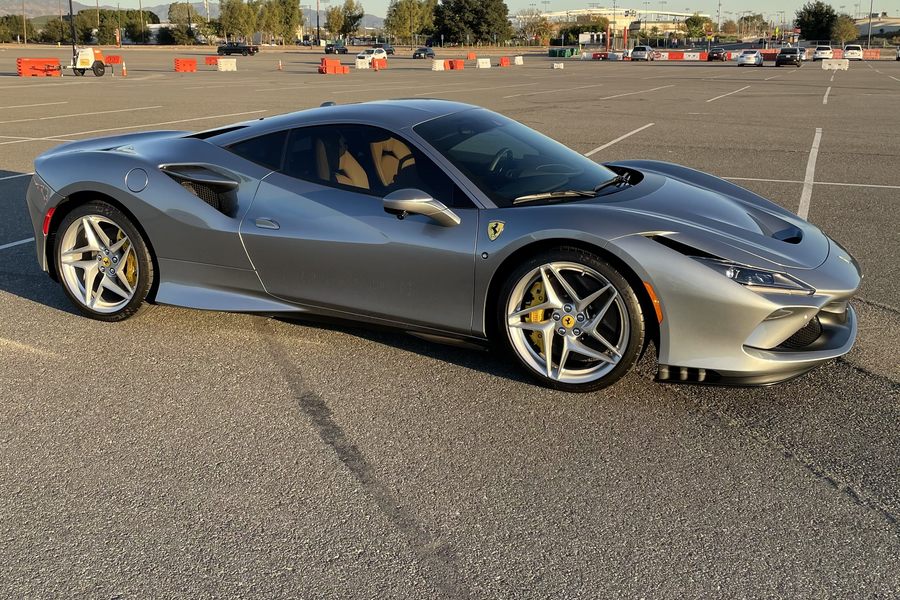
Light blue Ferrari California convertible parked beside the Pacific Ocean Silver Ferrari F8 Tributo at golden hour with palm trees and mountains behind Grey Ferrari 458 Spider parked along a coastal road

Different cars. The same discipline.

The Standard

My surname is Rivetti (rhymes with spaghetti), and my love affair with Ferrari (and pasta) begins there. And it is from my Italian descent that I hold the sincere, admittedly biased belief that the finest things in the world come from Italy: the fashion, the food, and above all the cars. Ferrari is the pinnacle of all of it, quality, design, performance, and class in a single machine. Each example I have been fortunate to own deepened my respect for an organization that simply refuses to compromise its standard. I hold my own work to the same test.

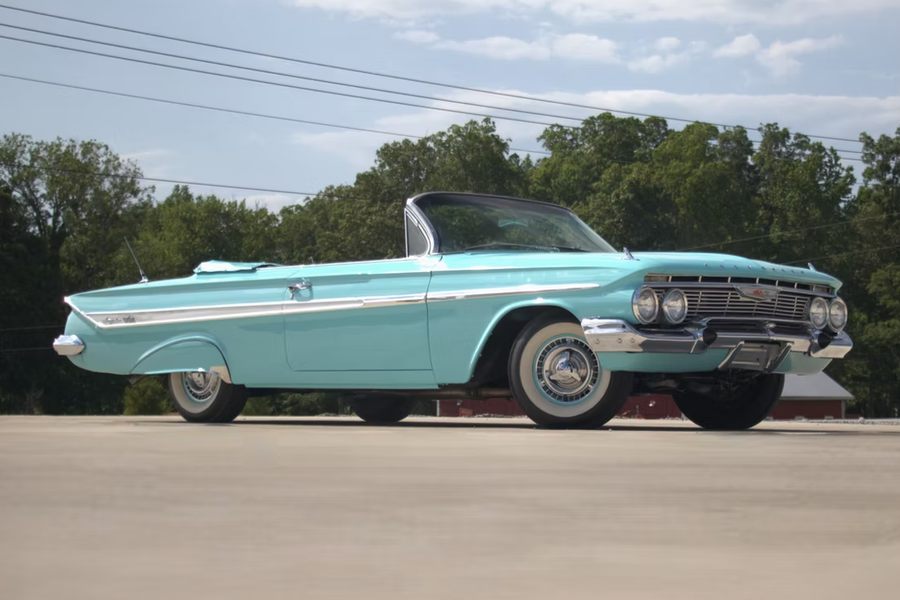
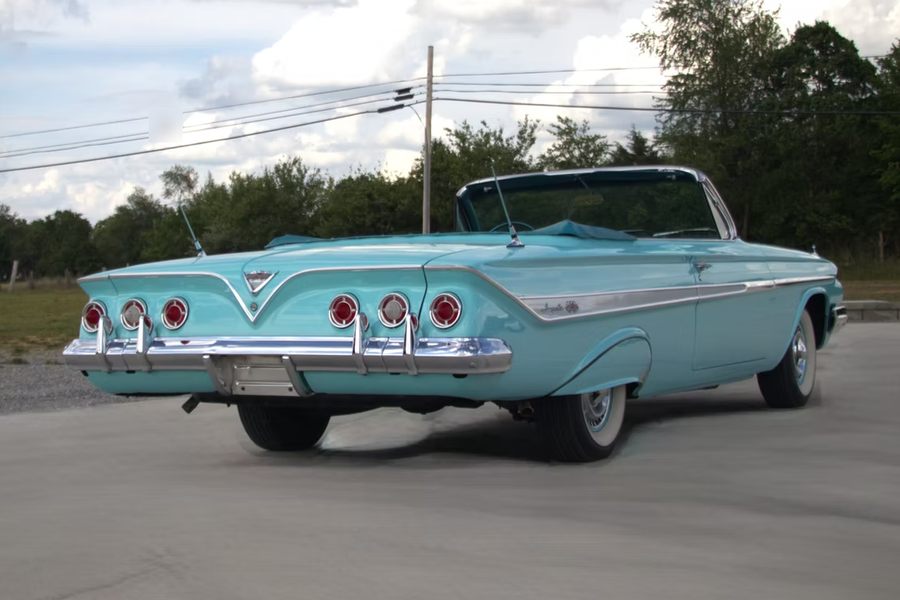
Turquoise 1961 Chevrolet Impala SS Convertible, front three quarter view Turquoise 1961 Chevrolet Impala SS Convertible, rear three quarter view with the signature six taillights Driver's view over a classic car hood on an empty desert highway at sunset, saguaros and mountains ahead

The Impala, and a desert highway at sunset.

The Road

My other automotive love is classic Chevrolet, and I am a steward of a piece of American history. Nothing compares to dropping the top on a car built six decades ago: the rumble, the chrome catching sunlight, the road unspooling the way it did in 1961. Italian thoroughbreds or American iron, it makes no difference once I am moving. The road is where I do my best thinking, usually somewhere between Southern California and Arizona, and my clearest strategic decisions rarely arrive in a conference room. The car gives back more than drives. Cars and coffee mornings have become a favorite ritual. Classics on one row, exotics on the next, and nothing starts a conversation like an old Chevy. Some of my best friendships began in a parking lot.

Contact

I welcome conversations about technology leadership, transformation, and the occasional debate about Ferrari vs Lamborghini. If you are a board, a search partner, or an executive team weighing a decision that technology will make or break, I am glad to talk. The fastest way to reach me is email, or find me on LinkedIn.